About CID: My Story
Welcome to my world! Brace up for a lengthy read ahead ⚠️.
I am CID, a Software Engineer and OpenStack Ironic core maintainer, and I am thrilled to share my extraordinary journey with you.

It all began in a remote village in Africa, where I grew up in a humble background, facing financial constraints and limited educational opportunities.
However, fueled by boundless ambition and a deep fascination for technology, I embarked on a quest to discover the easiest and most free ways to make money online.

With an empty wallet, a Nokia Asha 201 Symbian phone, and a knack for mathematics, I eagerly explored various avenues.
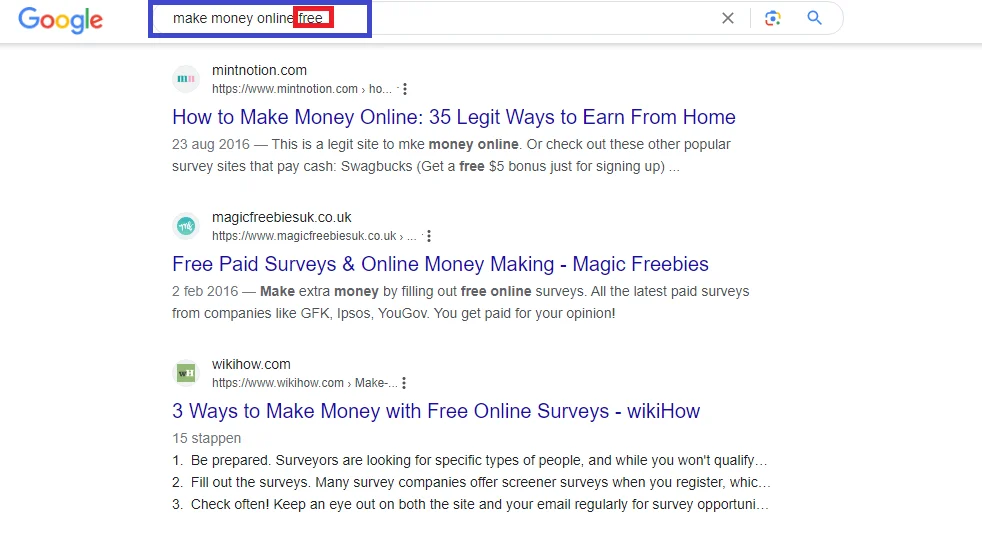
From paid surveys to copywriting and freelance article writing, I left no stone unturned.
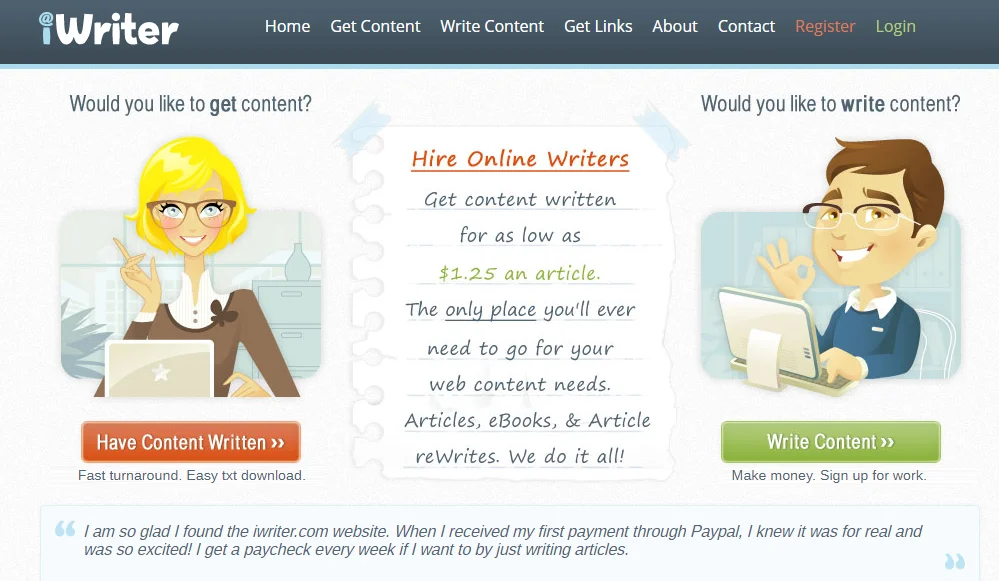
It was through iWriter, an online content writing service platform, that I experienced my first taste of success, earning my initial $1.92.
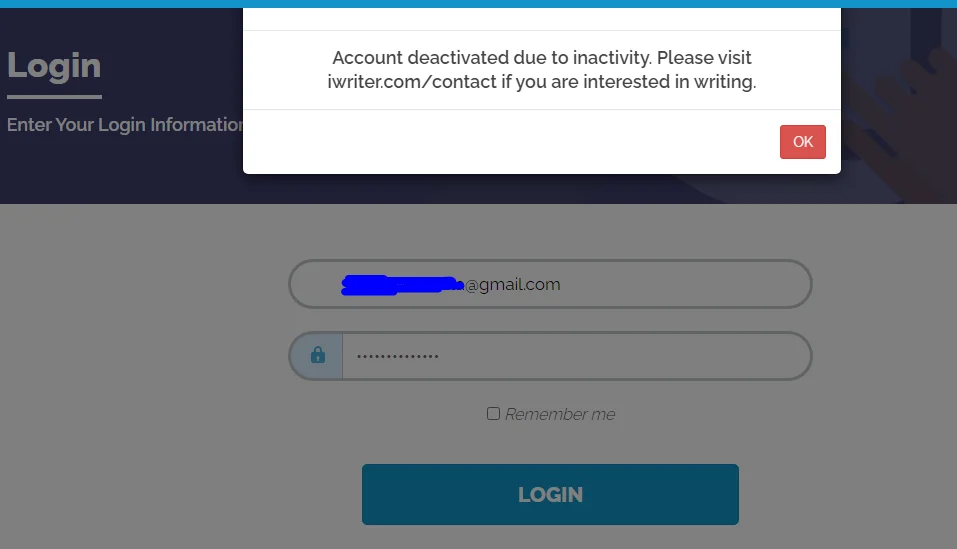
Unfortunately, my account was frozen due to inactivity, a setback that still resonates with me to this day.
Undeterred by challenges and rejection, I continued my relentless pursuit of success in the digital world; what other choices did I have by the way?
I eagerly contributed content to most of those “X Number of Sites That Pay You $100-$3000 To Write Articles.”
And I can vividly remember submitting a listicle to Listverse, hoping to see my work published.
However, after 4 weeks of waiting, I was informed that my “Top Ten Wonderful Inventions With The Most Bizarre Secrets” listicle which took me 2 months to research and write, fell short of their standards.
It was disheartening, to say the least.
Determined to find my path, I even tried my hand at affiliate marketing— mostly by adding my affiliate link to nearly every Facebook post I came across (not my proudest moment). It taught me early that shortcuts rarely build anything that lasts.
Well, each experience was a stepping stone, teaching me invaluable lessons along the way.
At this point, I loved ‘writing‘ enough to want to become good at content writing and to achieve that I needed to write a ton.
How do I learn content creation without losing the initial enthusiasm, while also documenting my progress in a way that I can go back to in the future with the certainty that I will always find my previous work?
Driven by an unyielding spirit, I turned to blogging as an avenue to learn content writing, document my progress, express myself, and share my knowledge.
Starting with free web hosting sites, I experimented with various platforms before settling on Blogspot (Blogger by Google).
It was here that I honed my skills and found my voice, ready to make a lasting impact in the digital landscape.
You could argue whether that worked or not, but at least I followed my ‘passion‘.
More about my blogging adventure in a moment.
…
In early 2017, my journey intersected with the realm of cryptocurrency.
Fueled by curiosity, I purchased $6 worth of Bitcoin when its value was a mere $4,000.
And believe me, that was a big deal.
However, fear and impatience got the better of me, and I sold my investment for $3 just 15 months before Bitcoin’s value skyrocketed to more than $8k+.
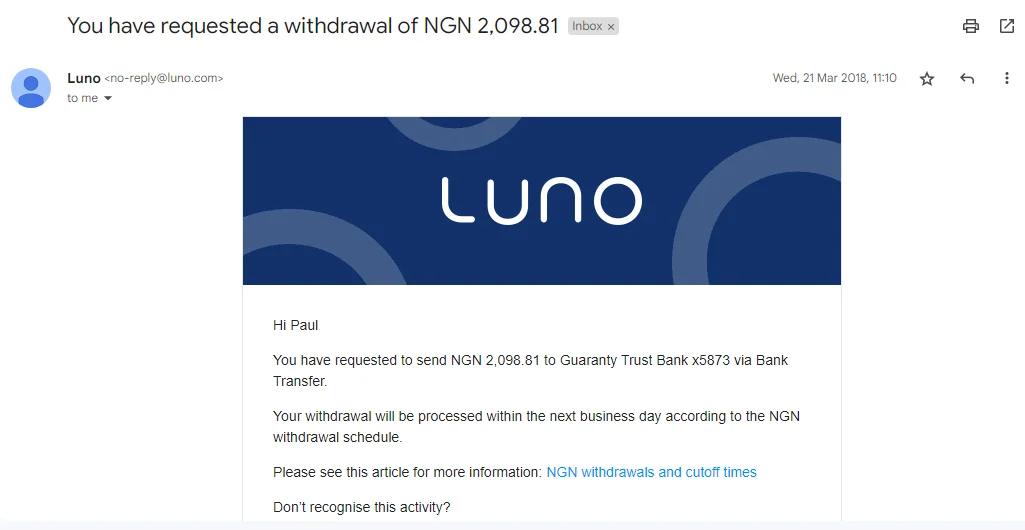
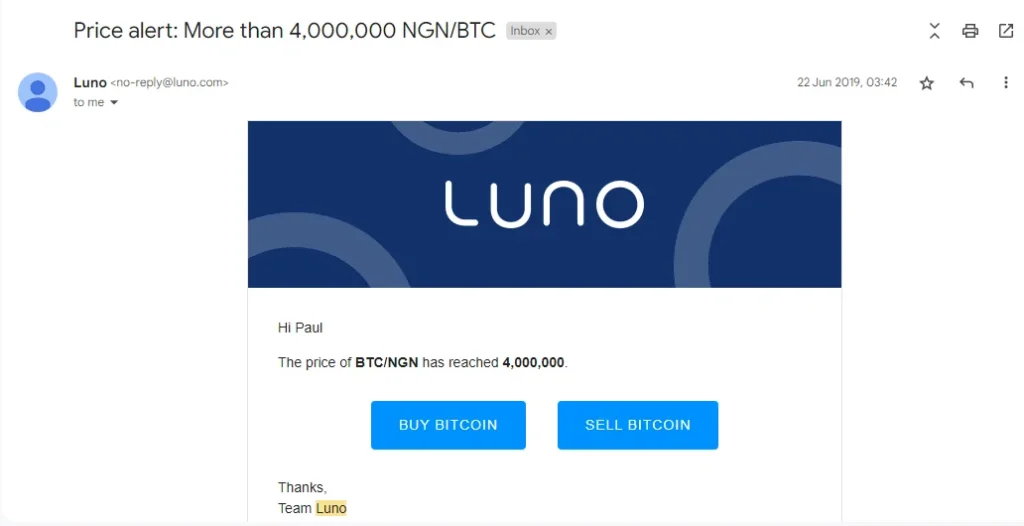
My price alert did not just get triggered, but while I never got back in, thinking it was already late, Bitcoin just went ahead to have one of its best years yet.
This experience served as a profound lesson, instilling in me the importance of patience and strategic decision-making.
My relentless pursuit of knowledge and growth led me to establish Auditorical (fka Afonne Digital) in 2018.
Starting on the Blogspot platform, I later migrated to WordPress under the domain name ‘afonne.xyz’ and as ‘Afonne Onlinebiz Hub’ with the description:
‘…your number one source of great posts for all businesses based online. We’re dedicated to providing you with the very best how to: create Highly Optimized Blogs, Unique and SEO-ready content, Blog monetizing tips and strategies, and, news.’
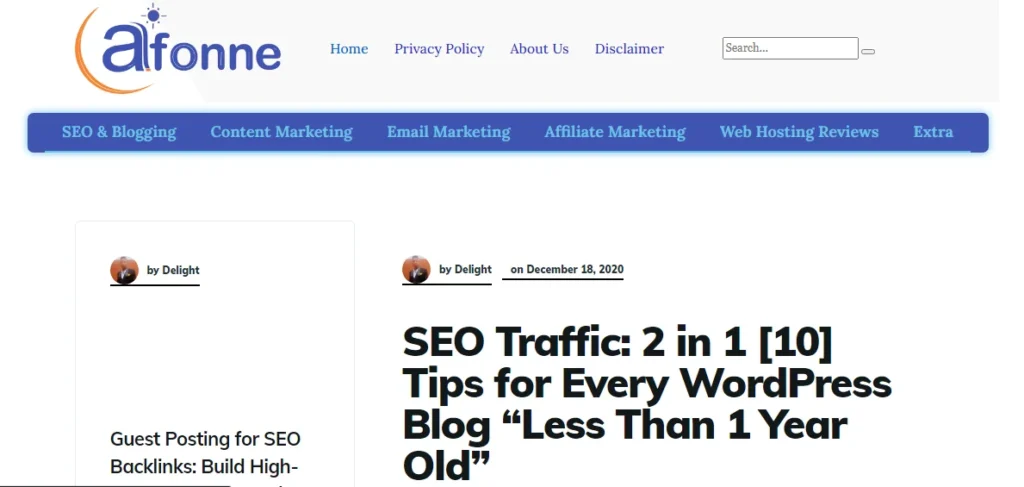
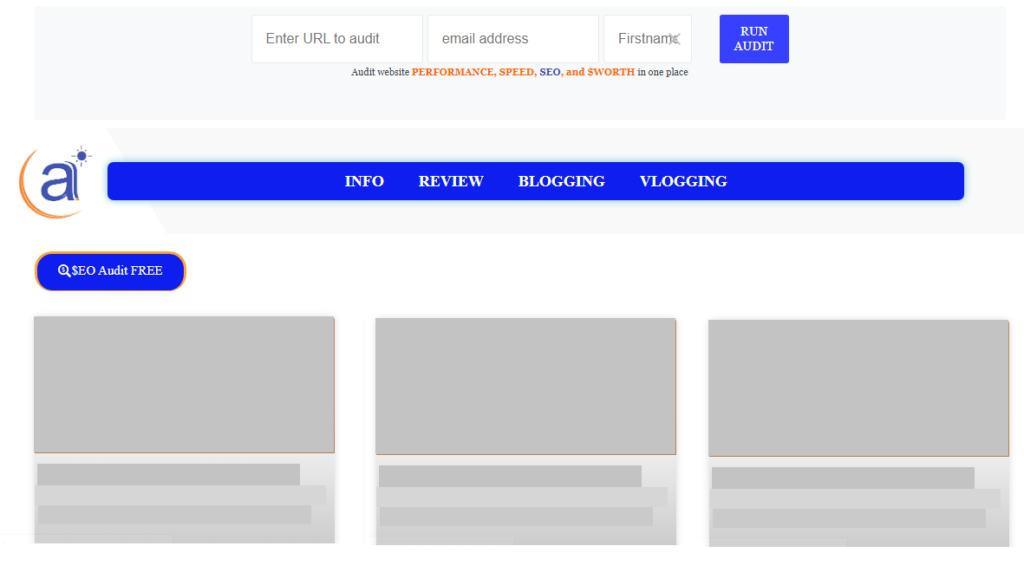
In 2020 ‘Afonne Onlinebiz Hub’ became ‘Afonne Digital’ and now ‘Auditorical’, and found its new home as ‘auditorical.com’ with the same goal I set out in the first place:
‘…to write and review software, create informative content, teach and empower content creators— bloggers, vloggers, influencers, and businesses— by providing resources that help distribute digital content globally and monetize it effectively in the thriving internet economy.’
But in 2021, things took an exciting turn— (all the way to the present).
Even though I have been practicing typing with Mavis Beacon Teaches Typing since I could lay my hands on aa computer keyboard that wasn’t even plugged into a computer and writing Python automation scripts (following YouTube videos mostly) since I discovered Python …
My tech journey started fully in 2021 with the discovery of a 12-month intensive hands-on Software Engineering program by the African Leadership Xcelerator (ALX_SE).
After graduating from the program in June of 2022, I got a job offer for a remote role that lasted for a while, then it was all job hunting here, some freelancing there until the later months of 2023.
Well, you might be wondering what happened then (?), MLH did!
I applied to the MLH Fellowship for the second time on the 6th of November, 2023, and got accepted on the 17th of January, 2024. The cohort 24.SPR.A.1 of the program officially kicked off on the 29th of January, 2024.
So, 29th of January 2025 made it exactly a year since I joined the MLH Fellowship and started working on OpenStack/Ironic and adjacent projects.
Through MLH, G-Research found me (I’ve been part of their open-source team, GR-OSS, since the 1st of May, 2024), and through them, I find myself, now an OpenSource Contributor, an OpenStack Ironic Core Reviewer (since October 2024) and Approver (since November 2025) 😊.
I have attempted to document the entire application process and acceptance into the MLH Fellowship program as well as how anyone who’s interested might need to go about it in this blog post.
I also penned down my experience during the program in this mid-program blog post on Medium.
There’s a video out on the GROSS OUT Podcast YouTube channel as at the time of this writing, where Jay Faulkner (Open Source Developer extraordinaire and Advocate at G-Research) hosts Alex Gornet, one of the brains behind the MLH Fellowship, and features visual testimonials from 5 of the thousands of lives the Major League Hacking programs, specifically the MLH Fellowship has touched, which I’m proudly one of.
I have embedded the video on this page, hopefully it’s still available by the time you’re reading this, :D. Feel free to give it a watch.
If you wish to get into the MLH Fellowship, get started on OpenSource development, or learn how MLH can help you discover top tech talents, watch the full interview.
From Fellow to Core Reviewer (and then Approver)
Remember when I said I had to Google what “bare-metal” meant when my MLH acceptance letter landed? Well, about eight months after my first change merged (18th of February, 2024), the Ironic team did something it hadn’t done in years: it added new core reviewers. In October 2024, I was one of the first two people added to the new ironic-reviewers group, proposed on behalf of many Ironic cores and our PTL. In the proposal’s own words, “Ironic has not added a core reviewer in years… which reflects how steep the learning/responsibility curve is.” No pressure, right? 😅
Then in November 2025, the Ironic approvers promoted me to approver— one of the people who can actually merge code into the project— noting that I had used my +2 “judiciously” and “earned the trust of the community.”
What I actually do: making bare metal feel like cloud
Ironic is the OpenStack service that manages physical servers (bare metal) the way a cloud manages virtual machines: enrol, inspect, clean, configure, deploy, rescue, repeat. My day-to-day is making that feel as effortless as cloud. Since 2024, my name has appeared as an owner in Ironic’s cycle work-item plans. A few things I’m especially proud of:
- Runbooks (2024.2 Dalmatian): named, reusable collections of cleaning and servicing steps that can be shared and run safely across nodes. It leads the official Dalmatian release highlights, and Rackspace’s UnderStack builds on it.
- Disabling specific boot modes during deployment: an operator asked for it at the Baremetal SIG meetup at CERN in June 2024, and my change landed the following month.
- Inspection rules: I migrated them from the separate ironic-inspector service into Ironic itself. StackHPC’s Kayobe now uses the new API and CLI.
- Removing eventlet from the Ironic Python Agent, part of an OpenStack-wide effort to modernise how our services handle concurrency.
- A container-based graphical console provider (2026.2 Hibiscus), from spec to code, CI and tests. It made the official Hibiscus release highlights too.
- Design specifications for an extensible node maintenance model (now being implemented) and for bulk node operations.
Keeping the lights on
Open source isn’t only code. I’m the team’s most frequent bug deputy— the person who triages every new bug and feature request that comes in that week— and as Dmitry put it in one of our meetings, “You’re doing such a great job, nobody risks competing.” 😄 I also led the planning for the April 2026 PTG (the Project Teams Gathering), cut Ironic releases (36.0.0 and 26.1.6), chaired our weekly meeting, and retired a project (VirtualPDU) from start to finish.
Security
Security has become a big part of what I do. I wrote the fix for OSSA-2026-008 (an IPMI console command injection), co-wrote the advisory, fixed a regression it caused, and wrote its second errata. For OSSA-2026-010, I requested the CVE and wrote the advisory. I was brought in under embargo to fix the OSSA-2026-048 policy bypass, along with all seven backports, and I wrote the full set of 15 patches behind security note OSSN-0107. In October 2026, I found and privately reported an issue in Ironic’s OCI registry client (bug 2170228), which is now on its way to becoming a security note of its own.
By the numbers (as of November 2026)
- 293 merged changes across 28 OpenStack repositories (+33,050 / −9,573 lines), 63 of them backports to older releases.
- 404 changes from other contributors given a core +2, and 93 approved to merge
- A top-5 author on the Ironic team in 3 of the last 5 release cycles
- On Launchpad: comments on 421 bugs, and 95 of the 101 bugs assigned to me fixed, including ten that had been open since 2014–2018
The links open the live lists in Gerrit and Launchpad. Stackalytics keeps its own tally, which counts a little differently.
Recognition and giving back
- MLH Top 50, 2025: https://top.mlh.io/2025/profiles/afonne-cid
- Named among the GR-OSS maintainers in G-Research’s 2025 Superuser Awards nomination (G-Research was one of five finalists)
- Featured on the GR-OSS OUT podcast, episode 26: “From MLH Fellow to OpenStack Ironic Maintainer” (August 2026)
- Panelist on MLH’s “Commit to Your Career: Pathways in Open Source” (Hacktoberfest 2025), alongside MLH’s CEO, Swift
- Spotlighted on the MLH blog: “Fellowship Spotlight: CID” (March 2025)
- Co-mentored an MLH Fellow in the Spring 2025 batch— paying it forward to the program that started it all for me
…
Armed with a solid foundation in software engineering and a deep understanding of sales and marketing, I eventually decided Auditorical had to do more and become more. The full story of its rebrands, and where I want it to go, now lives on the Auditorical page.
…
Throughout this journey, even now and in the foreseeable future, my commitment remains steadfast—to provide a platform that empowers creators, including bloggers, vloggers, influencers, freelancers, and businesses (agencies, startups, and enterprises), by offering resources, recommendations, and insights to effectively distribute and reach a global audience.
At Auditorical (fka Afonne Digital), I am passionate about equipping individuals and businesses with the tools and knowledge they need to thrive in the attention economy.
I believe in the power of content creation and its ability to shape the thriving internet economy.
Through this platform, I aim to inspire and empower others to reach their full potential, while also sharing my expertise in software development through software reviews and digital marketing.
The process has been a remarkable amalgamation of learning, growth, and building.
Every step of the way, I have embraced challenges, celebrated victories, and cherished the journey.
I am honored to share my story with you and invite you to join me on this exciting adventure as we navigate the dynamic world of digital marketing and technology together.
Learn more about Auditorical specifically here.
Cidaura: where my ventures live
These days, Auditorical has company. All my personal ventures now live under Cidaura Ltd (cidaura.com):
- Socio (socio.finance), a social payments platform for sending money to anyone with just their handle. It’s in beta development, with a launch planned for early 2027.
- Deemoo AI (deemoo.ai), which turns any resource into flashcards and quizzes so you can learn faster. It will be retired soon to make room for Socio.
- Auditorical, the blog you’re reading right now.
- Auditorical on YouTube, Cidaura’s video arm: mini documentaries on the companies, founders, and brands you already know.
For now, it’s just me behind all of them.
Find me around the internet
- My code and reviews: https://review.opendev.org/q/owner:cidelight
- Launchpad: https://launchpad.net/~cidelight
- GitHub: https://github.com/Afonne-CID
- OpenInfra Foundation profile: https://openstack.org/community/members/profile/157237/afonnecid-paul
Cheers!
By the way, if you want to see my “Top Ten Wonderful Inventions With The Most Bizarre Secrets” listicle, I believe it is still floating around on the internet .
Thank you for being a part of this journey, and here’s to the future—where the digital world knows no bounds, and neither do we.